Sales Systems for Logistics & Manufacturing Businesses
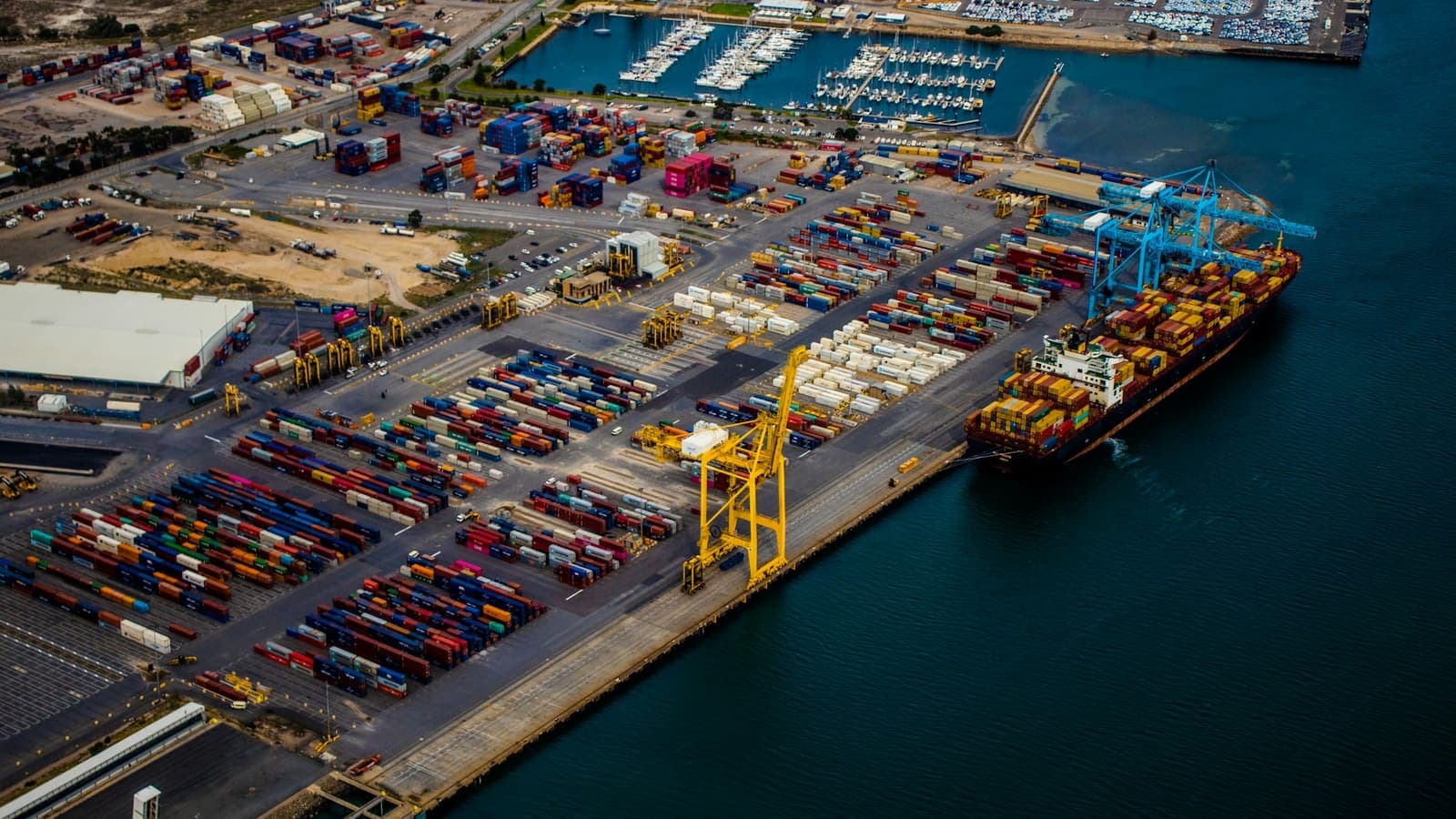
A logistics or manufacturing sale rarely starts from zero relationship the way a software pitch might. It usually runs alongside procurement relationships, existing vendor lists, and switching costs that predate the current sales conversation entirely. A sales system here has to work with that reality, not design around a clean-slate buyer who doesn't actually exist in this category.
Key Takeaways
- Procurement processes in logistics and manufacturing are often formal, multi-stage, and slower-moving than in less operationally regulated categories — a sales system needs to match that pace rather than fight it.
- Switching costs are real and significant here — displacing an incumbent vendor requires addressing operational risk directly, not just a better price or service pitch.
- Reliability and track record carry unusual weight in this category, since a failed vendor switch has direct, visible operational consequences.
- The buying committee often includes operations staff whose priorities (reliability, minimal disruption) differ sharply from procurement's (cost, terms) — a system needs to speak to both.
Why Procurement Process Shapes Everything Here
Logistics and manufacturing buyers frequently operate inside formal procurement processes — approved vendor lists, multi-stage evaluation, sometimes regulatory or compliance requirements layered on top. A sales system built for a fast, informal buying process (common in software or professional services) doesn't map well onto this reality. The system needs to account for a longer, more structured evaluation from the start, not treat it as an obstacle to route around.
From interest to signed client covers the general five-stage journey; for logistics and manufacturing specifically, the "mutual evaluation" and "proposal" stages typically stretch much longer and involve more formal documentation than in faster-moving categories.
The Switching-Cost Problem
Displacing an incumbent vendor in this category isn't primarily a pricing conversation — it's a risk conversation. A buyer switching logistics or manufacturing partners is taking on real operational risk: a transition period, potential disruption, the possibility that a new vendor doesn't perform as reliably as the one being replaced. A sales approach that leads with price or service breadth, without directly addressing that risk, tends to underperform against buyers who are, correctly, thinking about what could go wrong during a transition.
Addressing this directly — a clear transition plan, references from comparable switches, an honest accounting of what could go wrong and how it's mitigated — does more work in this category than in most others.
Why Track Record Carries Unusual Weight
A failed vendor relationship in logistics or manufacturing has direct, visible operational consequences — a missed shipment, a production line disruption, a quality issue that shows up downstream. That makes track record and reliability signals unusually important in the sales conversation, more so than in categories where a vendor mistake is more easily absorbed or corrected without major visible fallout.
This is part of why why senior staff shouldn't be doing cold outreach still applies here even though the category rewards credibility heavily — the credibility that matters is track record and operational proof, which can be documented and referenced by anyone on the team, not necessarily delivered personally by the most senior person in every conversation.
Speaking to Two Different Priorities on the Buying Committee
The buying committee in this category often includes both procurement (focused on cost, terms, and contract structure) and operations staff (focused on reliability, minimal disruption, and day-to-day performance) — two groups with meaningfully different priorities evaluating the same decision. A sales system that only addresses one — usually procurement, since that's often the formal point of contact — misses the operational stakeholders whose concerns, left unaddressed, can quietly stall or kill a deal that looks otherwise on track. Sales systems for recruitment & staffing firms covers a different category where sales and delivery are similarly, if differently, entangled. The b2b sales system covers the general framework behind this industry-specific version. Our Logistics & supply chain and Manufacturing & industrial pages cover how we work with each category directly.
Frequently Asked Questions
How long does a typical logistics or manufacturing sales cycle run compared to other B2B categories? Generally longer, given the formal procurement processes and higher switching costs involved — though the exact length varies significantly by company size and category, and any specific universal figure would be a guess. The practical implication is that a sales system here needs patience and structure built in, not a process optimized for speed.
Does price matter less in this category than the switching-risk framing suggests? Not less — it still matters — but it's rarely sufficient on its own. A lower price without a credible answer to the operational risk of switching tends to lose to an incumbent or a competitor who addresses that risk more directly, even at a higher price point.
Should the sales approach differ when selling to a company with an existing vendor versus one with no current provider? Significantly. Selling against an incumbent requires directly addressing switching risk and providing a credible transition plan. Selling to a company without a current vendor is closer to a standard qualification-and-evaluation process, without that specific risk conversation needing to dominate the pitch.
Related reading

Sales Systems: Turning Qualified Opportunities Into Signed Clients
A sales team is people. A sales system is a repeatable process those people work inside. Here's why that distinction decides whether your pipeline can survive one person leaving.
What Is a Sales System? (And How It's Different From a Sales Team)
A sales team is people. A sales system is what they follow. Confusing the two is why so many pipelines collapse when one person leaves.

How to Qualify B2B Prospects Before a Sales Call
Qualification frameworks tell you what to check. This covers the workflow: who checks it, when, and what actually happens before a prospect gets a slot on the calendar.